LipoDyne Official Website › Side Effects
Side EffectsDoes LipoDyne Have Side Effects?
LipoDyne prints no side-effect list. Its caution is the standard storage and dosing sentence, so the risks worth knowing come from the six rows rather than from the bottle.
Three are specific enough to name: the caffeine load, two separate questions about the liver raised by the garcinia and green tea rows, and one interaction between black pepper extract and prescription medicines.
A short printed caution, and the four things the panel itself puts on the table.
What warnings does the LipoDyne label carry?
The printed caution in full, and why a short one moves the work onto the panel.
One sentence, and it is about dosing and storage rather than about risk.
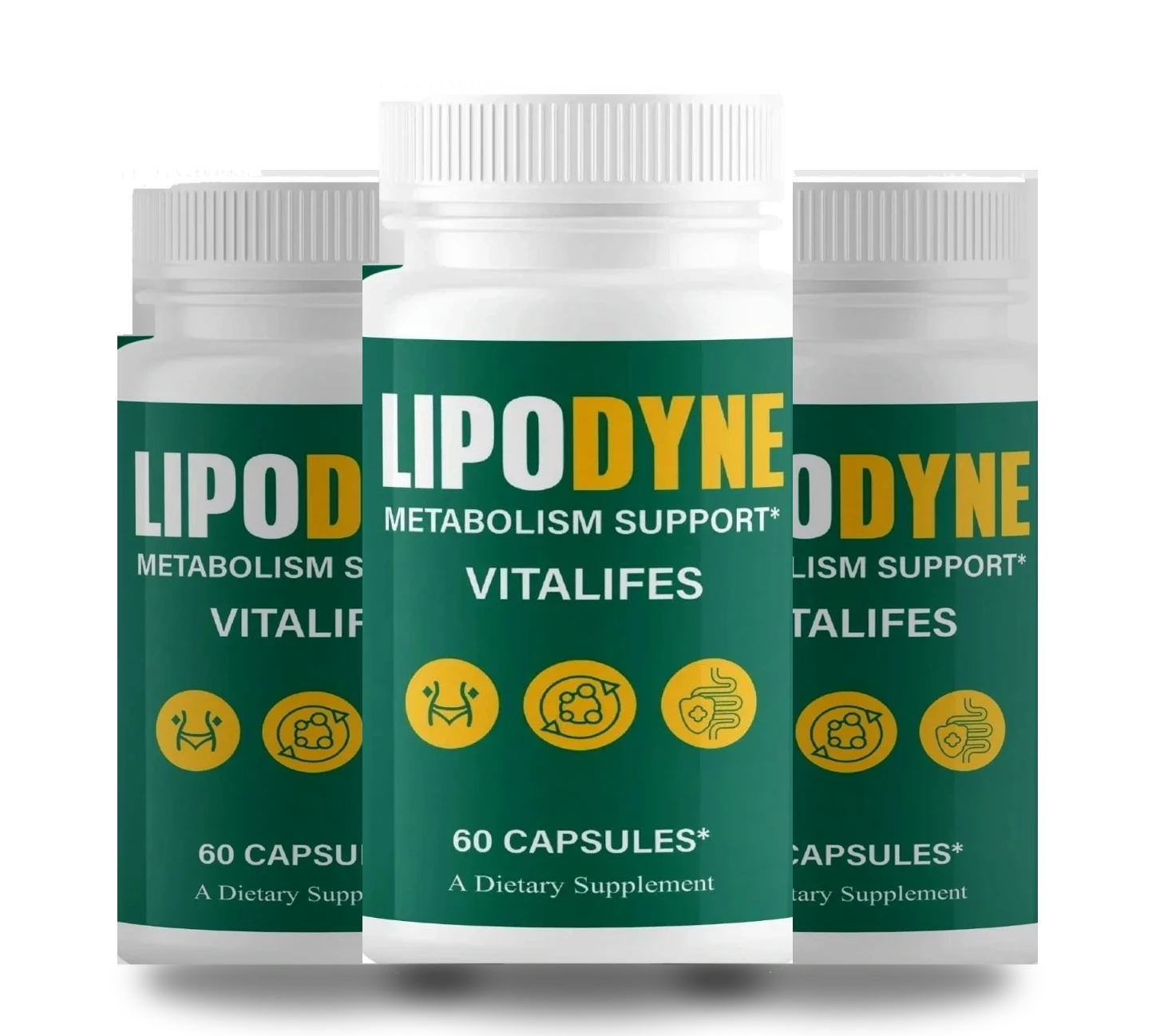
The label reads: “Take 1 capsule daily with water, preferably before meals, or as directed by your healthcare professional. Keep out of reach of children. Store in a cool, dry place.” That is the whole of it. There is no pregnancy line, no stimulant warning, no age statement and no interaction note on the artwork this desk has read.
A caution that short is common on supplement packaging and it is not evidence that nothing needs saying. It means the responsibility for knowing what is in the capsule has moved onto the panel, and the panel names a stimulant at a measured dose alongside two botanicals with a documented safety literature. The rest of this page works through what that literature actually reports, one row at a time, and every claim on it is cited.
How much caffeine is in LipoDyne?
The first thing to settle about this capsule, because one row of it is a measured stimulant dose.
| Source in the capsule | What the panel says | What that is comparable to |
|---|---|---|
| Caffeine anhydrous | 100 mg, printed | Roughly a mug of filter coffee, or two shots of espresso |
| Green tea extract | 250 mg of extract, caffeine content not printed | Green tea extracts commonly run between two and ten per cent caffeine, so this row could add anywhere from a few milligrams to twenty-five |
| Declared total for the capsule | None. The panel totals the anhydrous row only | The honest figure is 100 mg plus an unquantified amount from the extract |
Read off the panel on 19 September 2026. The middle row is a category range rather than a measurement of this extract, which no published source supplies.
One hundred milligrams is a real dose and it is the row on this panel that will be felt first. The crossover trial behind that figure gave healthy adults exactly 100 mg and measured a rise in brown adipose tissue temperature, which is the closest thing on this label to a matched human dose.
The practical point is additive rather than absolute. A capsule taken before breakfast alongside two coffees is a three-coffee morning, and the sleep literature puts the useful cut-off at six hours before bed, with measurable disruption from a dose taken later than that. Work on caffeine and circadian timing goes further and reports a phase delay from an evening dose.
Anyone who already knows they are sensitive to caffeine should treat the label timing as a floor rather than a suggestion. Before a meal, in the morning, and not a second capsule to catch up on a missed one. MedlinePlus’s consumer page on caffeine covers the common effects at ordinary doses, and they are the ones to expect here: jitteriness, a faster heartbeat, and a harder time getting to sleep.
Is the garcinia cambogia in LipoDyne a risk to the liver?
A documented signal, a rare one, and what the controlled trials found against it.
This is the question most often asked about garcinia and it deserves a precise answer rather than a reassuring one.
LiverTox, the NIH’s clinical database on drug-induced liver injury, carries a monograph on garcinia cambogia. It records case reports of acute liver injury associated with garcinia-containing products, including a small number that progressed to transplantation, and it notes that most of those products contained several ingredients, so attribution to garcinia alone is rarely clean.
A review of the hepatotoxicity question reaches the same shape of conclusion: a signal exists, it is rare, and the multi-ingredient nature of the products involved makes causation hard to establish. The transplant case series and an individual case report are the primary literature behind that signal and both are worth reading by anyone weighing this up.
Set against that, the safety review of garcinia trials found the reported adverse events in controlled studies to be mild and gastrointestinal, and the JAMA trial ran 135 adults for twelve weeks at a dose three times the extract weight in this capsule without a hepatic signal.
The proportionate reading is that the risk is real, rare, and not predictable from a dose. That makes it a monitoring question rather than a calculation: know the symptoms below, and stop if they appear.
Can the green tea extract in LipoDyne affect the liver?
A better-quantified signal than the first, and a figure this panel cannot be measured against.
Green tea extract carries its own hepatic literature, and it is better quantified than garcinia’s because the compound responsible has been identified.
The review of green tea extract and hepatotoxicity attributes the signal to EGCG, concentrated and taken on an empty stomach, rather than to brewed tea. The LiverTox monograph on green tea reaches the same conclusion and notes that the great majority of reports involve extracts rather than the beverage.
A tolerable upper intake analysis put the observed safe level for EGCG from a solid oral dosage form at 338 mg a day. The US Pharmacopeia’s own review responded to the same evidence by adding a caution statement to its green tea extract monograph rather than by setting a limit.
Whether this capsule approaches that figure cannot be worked out, because the panel prints 250 mg of extract and no EGCG percentage. Analytical work on the catechin content of commercial extracts found wide variation between products, which is the reason the percentage matters and the reason its absence is the one thing this desk would most like the label to fix.
The practical instruction that follows from all of it is the same one the label gives for a different reason: take the capsule before a meal rather than on a genuinely empty stomach, and take one, not two.
Does the apple cider vinegar in LipoDyne cause the problems liquid vinegar does?
A row whose form changes which of its published cautions travel into a capsule.
Some of them, and the form is what decides which.
The in vitro work on acidic beverages and dental enamel is the basis of the advice to drink vinegar through a straw and rinse afterwards. That advice is about liquid in contact with teeth, and a capsule that is swallowed whole does not put acid on enamel at all. This row removes that particular problem rather than carrying it.
The gastric emptying work is the one that still applies. Vinegar slows the rate at which the stomach empties, which is part of how it blunts a glucose rise, and in people with delayed gastric emptying already, that is an effect to raise with a clinician rather than to add to unsupervised. Anyone with diagnosed gastroparesis is in that group.
Dose is the other half of the answer. The trials used 15 or 30 mL of liquid vinegar a day, which is 750 or 1,500 mg of acetic acid. This panel prints 150 mg of powder and no acetic acid figure, so both the benefit and the gastric effect are likely to be proportionally smaller, and neither can be stated with a number.
One source has to be handled separately. The 2024 adolescent trial is the single most quoted apple cider vinegar weight result on the internet and it has been withdrawn. It is cited here only to explain the withdrawal, and it should not be used as support by anyone, including this website.
Is the cayenne in LipoDyne hard on the stomach?
A small row with a well-described effect, and the one adjustment that fixes it.
Capsaicinoids are the part of cayenne that does anything, and they are also the part that burns.
The review of capsaicin and capsinoids describes gastrointestinal discomfort as the commonest reported effect of an oral capsaicinoid dose, more often at higher amounts and more often on an empty stomach. It is the reason the non-pungent capsinoid analogues in the dose-comparison trial were developed in the first place.
At 50 mg of extract this row is small, and the capsaicinoid content is not printed, so the likelihood of a burning sensation is lower here than it would be from a culinary dose of cayenne. Anyone who does feel it should take the capsule with food rather than before a meal, which trades a little of the gastric-emptying effect for comfort.
Reflux is the one exception worth naming. Anyone who already gets it regularly is adding a capsaicinoid and a caffeine dose to the same morning, and both are on the standard list of things that make reflux worse.
Does LipoDyne interact with prescription medicines?
One row on this panel exists to change absorption, and absorption is not selective.
This is the interaction to raise with a prescriber, and it comes from the smallest row on the panel.
Piperine is a mechanism-based inactivator of CYP3A, the enzyme system that clears a long list of ordinary medicines: many statins, several blood pressure drugs, common anticoagulants, some antidepressants, and the immunosuppressants. Inactivating that enzyme raises the blood level of whatever it was clearing.
That is the whole reason piperine is on the panel. The original bioavailability study showed piperine raising the plasma concentration of a co-administered compound by a large multiple, and later work on permeability confirmed the two mechanisms behind it. The ingredient is there to make the other five rows more available, and it does not distinguish between them and a tablet taken at the same time.
Ten milligrams of BioPerine® is a standard inclusion rate and it is below the 20 mg used in the absorption study. It is not a reason to panic and it is a reason to tell the person who writes your prescriptions that you have started this capsule. They can move a dose by a few hours, and that is usually the whole of the fix.
- The capsule contains 10 mg of black pepper extract standardised for piperine.
- Piperine inhibits CYP3A4, so it can raise the blood level of medicines cleared by that enzyme.
- It also carries 100 mg of caffeine anhydrous plus an unstated amount from green tea extract.
- It is taken once a day, before a meal.
Who should not take LipoDyne?
Six groups for whom the honest answer is no, or not before a conversation.
A reasonable fit
- Healthy adults aged 18 and over who tolerate a cup of coffee
- People who want a once-daily capsule rather than a powder or a drink
- Anyone able to give the bottle sixty days before deciding
- Anyone who reads a panel and wants every amount printed on it
Not a fit, or not yet
- Anyone under 18, pregnant or nursing
- Anyone taking a prescription medicine, until a prescriber has seen the piperine line
- Anyone with a liver condition, or a history of liver injury from a supplement
- Anyone with diagnosed gastroparesis or brittle reflux
- Anyone who already drinks several coffees a day and sleeps badly
- Anyone expecting a weight-loss product, which is not what the bottle claims
When should I stop taking LipoDyne and speak to someone?
Five signs that mean stop now rather than finish the bottle.
- Yellowing of the skin or the whites of the eyes, dark urine, or pale stools. These are the classic signs of liver injury and they are the reason both hepatic sections above are on this page. Stop the capsule and seek medical advice the same day.
- Unexplained abdominal pain in the upper right side, particularly with nausea or a loss of appetite that lasts more than a day or two.
- A heart rate that stays fast at rest, or palpitations that are new since starting.
- Sleep that gets worse rather than settling after the first fortnight, which usually means the capsule is being taken too late in the day.
- Any rash, swelling or difficulty breathing, which are allergy signs rather than stimulant effects and warrant urgent attention.
The national survey of emergency department visits linked to supplements found weight-related and energy products over-represented among the cases involving cardiac symptoms in young adults, and the commonest single cause was a stimulant. That is the specific reason the third bullet above is on the list.
None of this is an argument against the capsule. It is the argument for knowing which five things would make you stop, before you start, so the decision is already made if one of them happens.
LipoDyne safety questions
Can I take LipoDyne with coffee?
You can, and the arithmetic is additive. The capsule carries 100 mg of caffeine anhydrous plus an unstated amount from the green tea row, so a capsule with two coffees is closer to a three-coffee morning. Anyone who already sleeps badly should count the capsule as one of their cups rather than as a free one.
Does LipoDyne raise blood pressure?
The label makes no claim either way and this desk has no measurement of this capsule. Caffeine at 100 mg produces a small, short-lived rise in most people, and green tea extract has been studied for the opposite effect on blood pressure and lipids. Anyone being treated for hypertension should raise it with their prescriber.
Is it safe to take LipoDyne every day for a year?
The six-bottle pack covers a year and the published trials behind these rows ran twelve weeks, so there is no long-term human data on this combination at these amounts. The sensible pattern is to take it for a bottle, decide whether it earned the next one, and tell a clinician at your next appointment that you are taking it.
What happens if I take two LipoDyne capsules by mistake?
Two capsules is 200 mg of caffeine anhydrous plus the green tea row twice, which is a strong-coffee dose rather than an emergency in a healthy adult. Expect jitteriness and a poor night’s sleep, skip the next day’s capsule, and do not make a habit of doubling up to catch a missed one.
Does LipoDyne contain anything on a banned-substance list?
Nothing on the panel appears on the standard competition prohibited lists. There is also no third-party sport certification mark on the pack, so a competing athlete should treat the absence of a mark as the answer and choose a certified product instead.
Sources for this LipoDyne safety page
Every case series, review and agency page named above, in the order its claim appears.
- Van Schaik L, Kettle C, Green R, et al. Both caffeine and Capsicum annuum fruit powder lower blood glucose levels and increase brown adipose tissue temperature in healthy adult males. Front Physiol. 2022;13:870154. PMID 36017333. https://pubmed.ncbi.nlm.nih.gov/36017333/
- Carrier J, Fernandez-Bolanos M, Robillard R, et al. Effects of caffeine are more marked on daytime recovery sleep than on nocturnal sleep. Neuropsychopharmacology. 2007;32(4):964-72. PMID 16936703. https://pubmed.ncbi.nlm.nih.gov/16936703/
- Burke TM, Markwald RR, McHill AW, et al. Effects of caffeine on the human circadian clock in vivo and in vitro. Sci Transl Med. 2015;7(305):305ra146. PMID 26378246. https://pubmed.ncbi.nlm.nih.gov/26378246/
- Caffeine. MedlinePlus, U.S. National Library of Medicine. https://medlineplus.gov/caffeine.html
- Garcinia Cambogia. In: LiverTox: Clinical and Research Information on Drug-Induced Liver Injury. Bethesda (MD): National Institute of Diabetes and Digestive and Kidney Diseases. https://www.ncbi.nlm.nih.gov/books/NBK548087/
- Zovi A, Langella R, Nisic AA, et al. Liver injury and dietary supplements: does hydroxycitric acid trigger hepatotoxicity? J Integr Med. 2022;20(5):473-475. PMID 35710615. https://pubmed.ncbi.nlm.nih.gov/35710615/
- Lunsford KE, Bodzin AS, Reino DC, et al. Dangerous dietary supplements: Garcinia cambogia-associated hepatic failure requiring transplantation. World J Gastroenterol. 2016;22(45):10071-10076. PMID 28018115. https://pubmed.ncbi.nlm.nih.gov/28018115/
- Kothadia JP, Kaminski M, Samant H, et al. Hepatotoxicity associated with use of the weight loss supplement Garcinia cambogia: a case report and review of the literature. Case Reports Hepatol. 2018;2018:6483605. PMID 29721342. https://pubmed.ncbi.nlm.nih.gov/29721342/
- Marquez F, Babio N, Bullo M, et al. Evaluation of the safety and efficacy of hydroxycitric acid or Garcinia cambogia extracts in humans. Crit Rev Food Sci Nutr. 2012;52(7):585-94. PMID 22530711. https://pubmed.ncbi.nlm.nih.gov/22530711/
- Heymsfield SB, Allison DB, Vasselli JR, et al. Garcinia cambogia (hydroxycitric acid) as a potential antiobesity agent: a randomized controlled trial. JAMA. 1998;280(18):1596-600. PMID 9820262. https://pubmed.ncbi.nlm.nih.gov/9820262/
- Halegoua-DeMarzio D, Navarro VJ. Challenges in herbal-induced liver injury identification and prevention. Liver Int. 2025;45(3):e16071. PMID 39136211. https://pubmed.ncbi.nlm.nih.gov/39136211/
- Green Tea. In: LiverTox: Clinical and Research Information on Drug-Induced Liver Injury. Bethesda (MD): National Institute of Diabetes and Digestive and Kidney Diseases. https://www.ncbi.nlm.nih.gov/books/NBK547925/
- Hu J, Webster D, Cao J, et al. The safety of green tea and green tea extract consumption in adults: results of a systematic review. Regul Toxicol Pharmacol. 2018;95:412-433. PMID 29580974. https://pubmed.ncbi.nlm.nih.gov/29580974/
- Oketch-Rabah HA, Roe AL, Rider CV, et al. United States Pharmacopeia (USP) comprehensive review of the hepatotoxicity of green tea extracts. Toxicol Rep. 2020;7:386-402. PMID 32140423. https://pubmed.ncbi.nlm.nih.gov/32140423/
- Seeram NP, Henning SM, Niu Y, et al. Catechin and caffeine content of green tea dietary supplements and correlation with antioxidant capacity. J Agric Food Chem. 2006;54(5):1599-603. PMID 16506807. https://pubmed.ncbi.nlm.nih.gov/16506807/
- Maladkar SR, Yadav P, Muniraja ANA, et al. Erosive effect of acidic beverages and dietary preservatives on extracted human teeth: an in vitro analysis. Eur J Dent. 2022;16(4):919-929. PMID 35436789. https://pubmed.ncbi.nlm.nih.gov/35436789/
- Hlebowicz J, Darwiche G, Bjorgell O, et al. Effect of apple cider vinegar on delayed gastric emptying in patients with type 1 diabetes mellitus: a pilot study. BMC Gastroenterol. 2007;7:46. PMID 18093343. https://pubmed.ncbi.nlm.nih.gov/18093343/
- Abou-Khalil R, Andary J, El-Hayek E. Apple cider vinegar for weight management in Lebanese adolescents and young adults with overweight and obesity: a randomised, double-blind, placebo-controlled study. BMJ Nutr Prev Health. 2024;7(1):61-67. PMID 38966098. RETRACTED: BMJ Nutr Prev Health. 2025;8(2):693. https://pubmed.ncbi.nlm.nih.gov/38966098/
- Whiting S, Derbyshire E, Tiwari BK. Capsaicinoids and capsinoids: a potential role for weight management? A systematic review of the evidence. Appetite. 2012;59(2):341-8. PMID 22634197. https://pubmed.ncbi.nlm.nih.gov/22634197/
- Inoue N, Matsunaga Y, Satoh H, et al. Enhanced energy expenditure and fat oxidation in humans with high BMI scores by the ingestion of novel and non-pungent capsaicin analogues (capsinoids). Biosci Biotechnol Biochem. 2007;71(2):380-9. PMID 17284861. https://pubmed.ncbi.nlm.nih.gov/17284861/
- Cui T, Wang Q, Tian X, et al. Piperine is a mechanism-based inactivator of CYP3A. Drug Metab Dispos. 2020;48(2):123-134. PMID 31748224. https://pubmed.ncbi.nlm.nih.gov/31748224/
- Shoba G, Joy D, Joseph T, et al. Influence of piperine on the pharmacokinetics of curcumin in animals and human volunteers. Planta Med. 1998;64(4):353-6. PMID 9619120. https://pubmed.ncbi.nlm.nih.gov/9619120/
- Yu D, Kan Z, Shan F, et al. Triple strategies to improve oral bioavailability by fabricating coamorphous forms of ursolic acid with piperine: enhancing water-solubility, permeability, and inhibiting cytochrome P450 isozymes. Mol Pharm. 2020;17(12):4443-4462. PMID 32926628. https://pubmed.ncbi.nlm.nih.gov/32926628/
- Geller AI, Shehab N, Weidle NJ, et al. Emergency department visits for adverse events related to dietary supplements. N Engl J Med. 2015;373(16):1531-40. PMID 26465986. https://pubmed.ncbi.nlm.nih.gov/26465986/
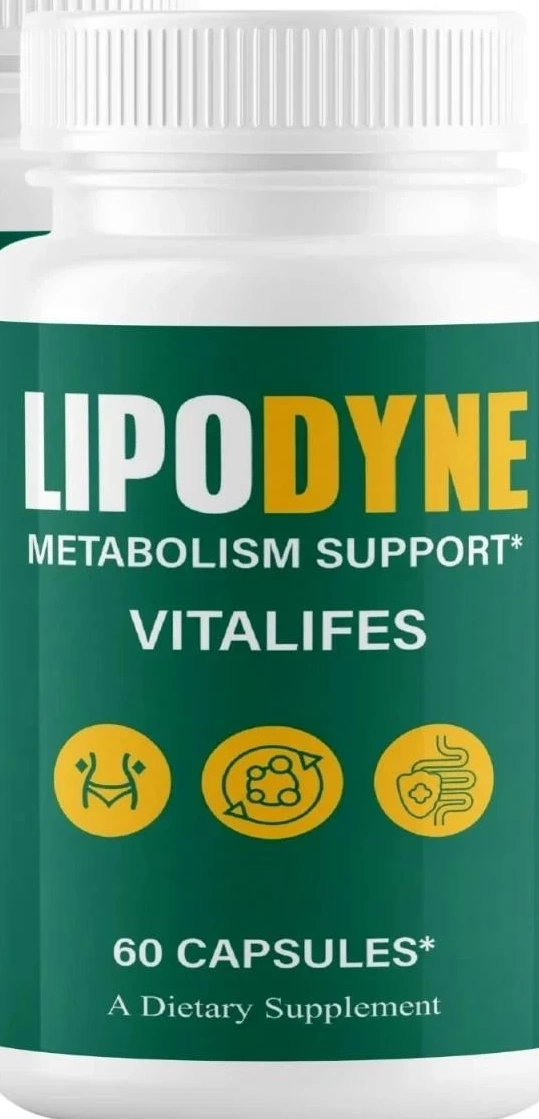
Order LipoDyne knowing what is in it
One capsule a day, six declared rows, and one conversation worth having first if you take a prescription. The price and the guarantee term are the ones printed at the seller’s checkout.
One, three and six-bottle packs · price at checkout · money-back guarantee as printed on the listing
Order LipoDyne On The Official WebsiteOne capsule a day · 60 per bottle · lot LIP-26/LI-7268