LipoDyne Official Website › Blog › LipoDyne Ingredients: A 6-Row Checklist for Reading the Label
LipoDyne Ingredients: A 6-Row Checklist for Reading the Label
Six actives are printed on the LipoDyne label: 500 mg of garcinia cambogia extract, 250 mg of green tea extract, 150 mg of apple cider vinegar powder, 100 mg of caffeine anhydrous, 50 mg of cayenne pepper extract and 10 mg of black pepper extract. Together that is 1,060 mg per capsule.
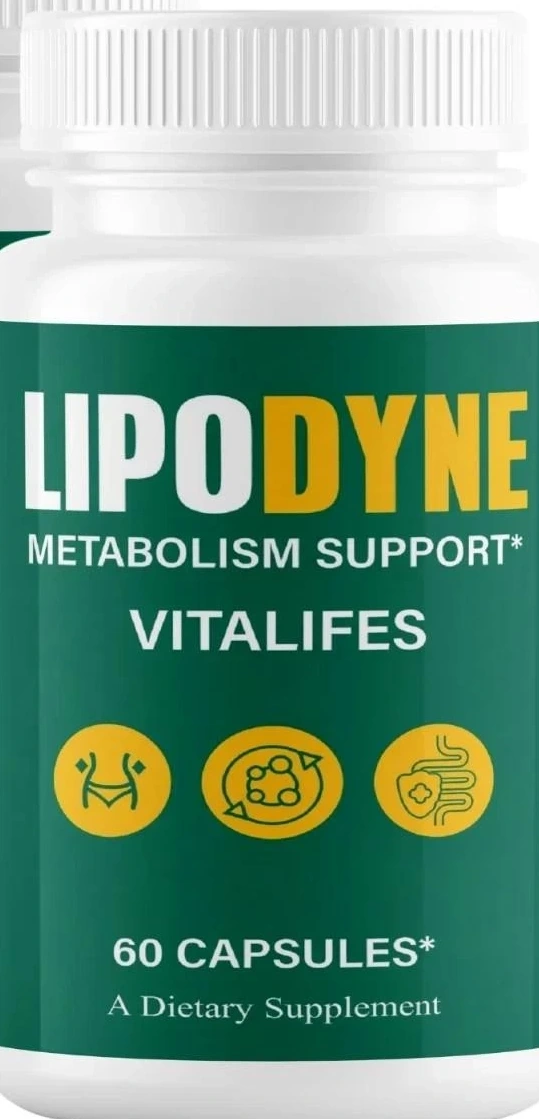
Compare this list with the real bottle
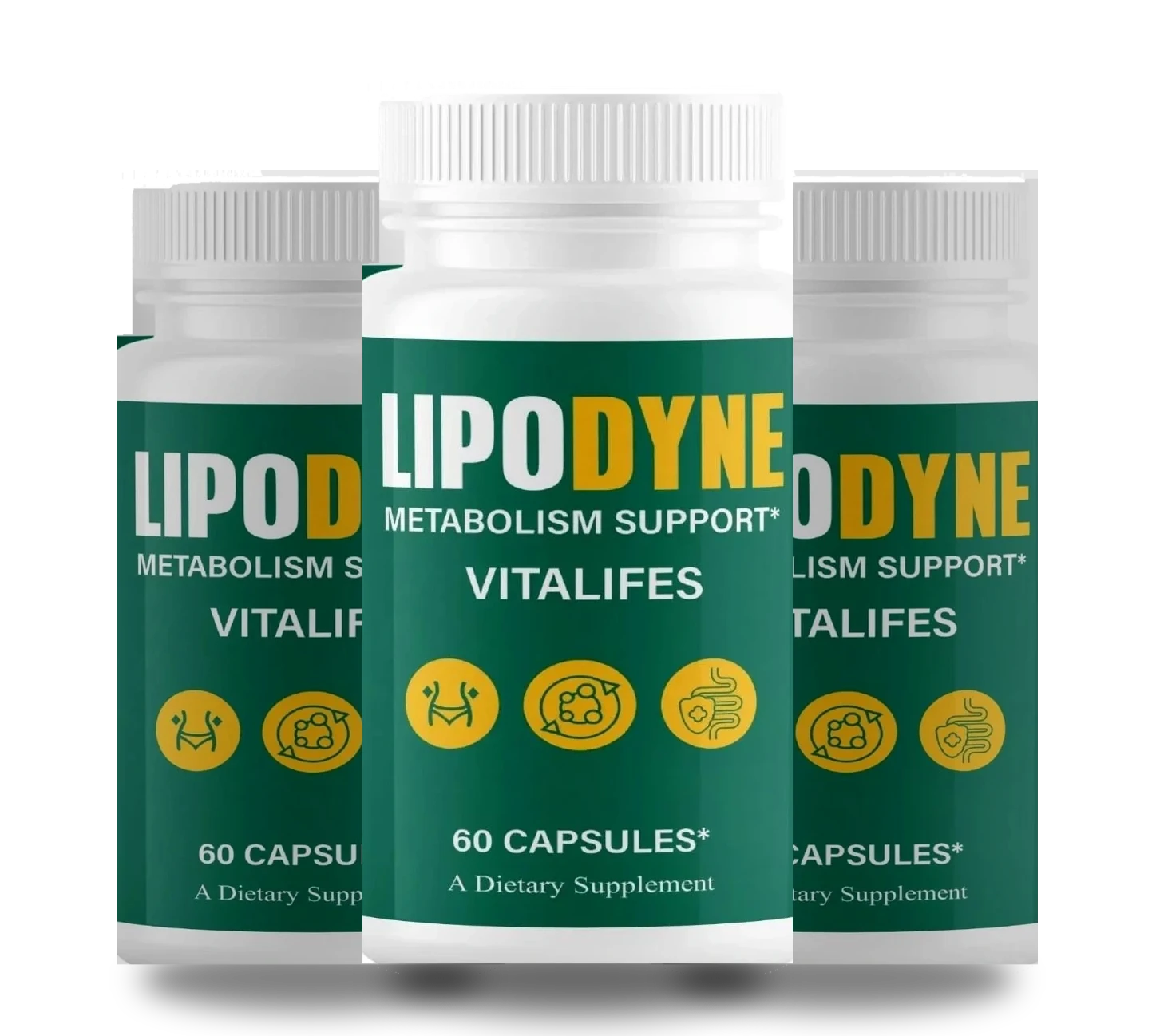
The checkout page shows the pack and the seller's guarantee wording; the amounts above are the ones printed on the label.
See today's price and guaranteeDisclosure: this site is paid a commission when an order completes at the seller's checkout. How this site earns.
- Each of the six actives has its own printed amount; there is no proprietary blend, and the total is 1,060 mg per capsule.
- The capsule also holds vegetable cellulose for the shell, rice flour, magnesium stearate and silicon dioxide.
- No vitamin and no mineral on the panel, despite a marketing chip that says otherwise.
- Only caffeine anhydrous is a pure compound. The other five rows are extract or powder weights without a standardisation percentage.
- Percent Daily Value is not established for any of the six rows.
- No allergen statement appears on the artwork that was read.
People type the lipodyne ingredients list, lipodyne capsules ingredients and lipodyne supplement facts as if they were three questions. They are one question: what does the label print? The same habit works for fat burner ingredients and any weight loss supplement ingredients list. Go row by row, and ask of each one what it is, how much there is and what the research counted.
Row 1: What does 500 mg of garcinia cambogia extract tell you?
The biggest row, from the fruit rind. Garcinia is grown into supplements for hydroxycitric acid, or HCA. The label counts the extract, not the HCA.
The main weight study, the JAMA trial, used 1,500 mg a day of HCA for twelve weeks and did not beat placebo. Other trial doses were 900 to 1,500 mg a day. Without a percentage you cannot tell whether 500 mg of extract carries a lot of HCA or very little.
Check on your bottle: look for any HCA percentage next to the row. This one prints none.
Row 2: What does 250 mg of green tea extract tell you?
From the leaf of Camellia sinensis, concentrated for catechins, mainly EGCG. The trial that moved weight used 856.8 mg a day of EGCG. A trial that found nothing used 300 mg a day.
Two practical points. First, the label prints no EGCG percentage, and catechin content varies widely between commercial extracts. Second, green tea extract carries caffeine too, so this row quietly adds to the stimulant load of the caffeine row.
Check on your bottle: look for an EGCG or total catechin figure. None is printed on the panel described here.
Row 3: What does 150 mg of apple cider vinegar powder tell you?
Vinegar with the water removed. The working compound is acetic acid, and the studied effect is a slower stomach emptying after a meal.
Human trials used liquid vinegar, 15 mL or 30 mL a day for twelve weeks. That equals 750 or 1,500 mg of acetic acid. A 150 mg powder is not that experiment made smaller. It is a different experiment.
Check on your bottle: no acetic acid content is printed. Remember too that the 2024 adolescent vinegar trial has been retracted and is not support for this row.
Row 4: What does 100 mg of caffeine anhydrous tell you?
The clearest row. Caffeine anhydrous is the pure compound, so the weight is the dose. A hundred milligrams is roughly a cup of brewed coffee.
This is the one amount that matches a published trial exactly. It is also why the product is not stimulant free, whatever outside pages say. The green tea extract adds more caffeine, and the label gives no total, so count each capsule as at least 100 mg.
Check on your bottle: caffeine is the fourth row. If your drinks already add up near 400 mg a day, a figure review literature has proposed as a yardstick for healthy adults, talk to your doctor first.
Row 5: What does 50 mg of cayenne pepper extract tell you?
From the fruit of Capsicum annuum, for its capsaicinoids. Pooled studies put their effect on resting metabolic rate at about 34 kcal a day, and 2 mg of capsaicinoids is the published minimum for any effect on intake.
The label prints the extract weight alone. Whether 50 mg of this extract holds that 2 mg cannot be answered without a capsaicinoid percentage.
Check on your bottle: look for a capsaicinoid figure. None is printed here.
Row 6: What does 10 mg of black pepper extract (BioPerine) tell you?
The smallest row has the longest reach. It is there to change absorption, not to act on metabolism. The classic absorption study used 20 mg of piperine itself.
The catch is medicine. Piperine inhibits CYP3A4, an enzyme that clears many prescriptions. If you take any, show this row to your prescriber.
Check on your bottle: no piperine percentage is printed. Our side-effects checklist goes into the interaction in more detail.
What else is in the capsule besides the six actives?
Four other ingredients, all without activity of their own:
| Other ingredient | Its job |
|---|---|
| Vegetable cellulose (capsule) | The shell. Plant-based rather than gelatin. |
| Rice flour | Filler, so every capsule weighs the same. |
| Magnesium stearate | A flow agent that keeps powder moving through the filling machine. |
| Silicon dioxide | An anti-caking agent, helpful because vinegar powder takes up moisture. |
The shell is the answer to lipodyne gelatin capsules: it is not gelatin. The artwork read for this site carries no allergen statement, so anyone with an allergy should ask the order desk for the current bottle's full artwork before buying.
How do the six rows compare at a glance?
| Row | Per capsule | Per 60-capsule bottle |
|---|---|---|
| Garcinia cambogia extract | 500 mg | 30,000 mg |
| Green tea extract | 250 mg | 15,000 mg |
| Apple cider vinegar powder | 150 mg | 9,000 mg |
| Caffeine anhydrous | 100 mg | 6,000 mg |
| Cayenne pepper extract | 50 mg | 3,000 mg |
| Black pepper extract | 10 mg | 600 mg |
Plain arithmetic on the printed amounts. It is not a recommendation.
Two rows carry about seven tenths of the active weight between them. When you compare other weight loss supplement ingredients lists, ask the same two questions: is each amount printed, and is it counted in the compound the studies used?
LipoDyne is a dietary supplement. It is not a drug and it is not FDA approved. No dietary supplement is. These statements have not been evaluated by the Food and Drug Administration. This product is not intended to diagnose, treat, cure or prevent any disease. This page is general information and does not replace a doctor who knows your history. Ask your doctor or pharmacist about any medical question.
Frequently asked questions
What are the LipoDyne ingredients?
Six actives are printed: 500 mg of garcinia cambogia extract, 250 mg of green tea extract, 150 mg of apple cider vinegar powder, 100 mg of caffeine anhydrous, 50 mg of cayenne pepper extract and 10 mg of black pepper extract (BioPerine).
Is there a proprietary blend in LipoDyne?
No. Each active has its own row and its own printed amount, so nothing is hidden inside a total.
What else is in a LipoDyne capsule?
Vegetable cellulose for the capsule shell, rice flour, magnesium stearate and silicon dioxide.
Does LipoDyne use gelatin capsules?
No. The shell is vegetable cellulose, which is the plant-based alternative to gelatin.
How much hydroxycitric acid or EGCG is in a capsule?
Not published. The label prints extract weights without standardisation percentages, so those figures cannot be worked out from the bottle.
Does LipoDyne contain vitamins or minerals?
No. A marketing panel with the words vitamins and minerals is contradicted by the Supplement Facts panel.
Which sources does this page lean on?
The trial amounts quoted row by row come from these sources. Treat them as a record of what was studied, not of what this bottle does.
- the JAMA trial
- the high-dose trial
- the 300 mg EGCG trial
- an analysis of commercial green tea supplements
- the twelve-week vinegar trial
- a caffeine and capsicum crossover
- a meta-analysis of capsaicinoids and resting metabolic rate
- the original bioavailability study
- a study of piperine and CYP3A
- the FDA's questions and answers on dietary supplements
Our view
Our view is that this is a readable label with one structural gap. The amounts are there, which is better than a blend. The gap is the missing percentages, which stop you from placing four of the rows next to their research.
A reasonable reader can live with that. Treat the caffeine as the sure part, treat the botanicals as present but unquantified, and treat the black pepper row as a prompt to speak to your prescriber if you take medicine.
If you want one ingredient at a known dose, a single-ingredient product is a rational alternative.
Want the real label in your hand?
The button goes to the seller's checkout; compare the delivered bottle with the six rows above when it arrives.
See today's price and guaranteeDisclosure: this site is paid a commission when an order completes at the seller's checkout. How this site earns.
Last updated . Medically reviewed by Dr. Dean Tomlin, Doctor.