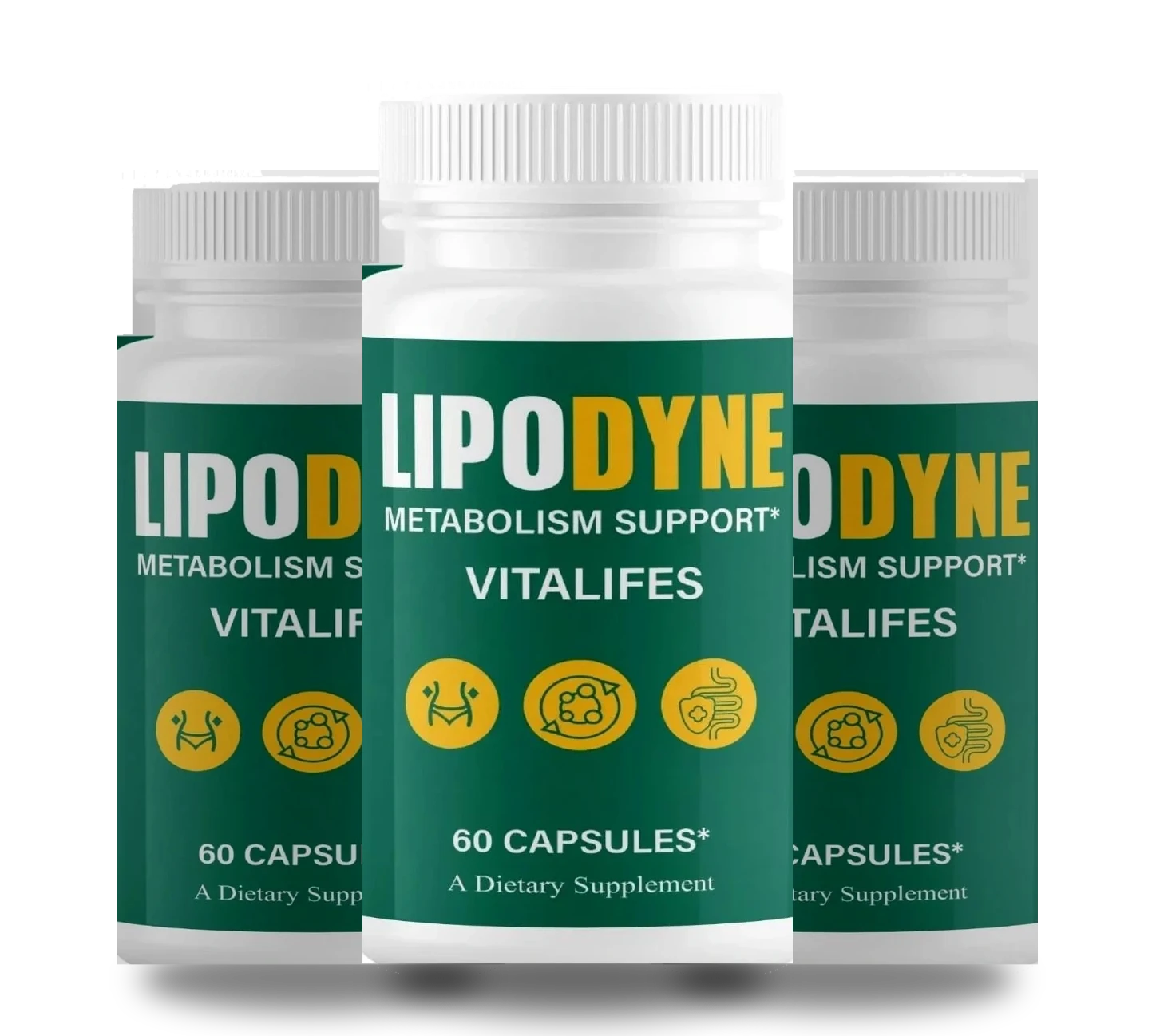
LipoDyne Official Website › Blog › LipoDyne Green Tea Extract
LipoDyne Green Tea Extract: How Much EGCG Is In 250 mg?
LipoDyne green tea extract is 250 mg of leaf extract per capsule, the second heaviest row at 24% of the actives. The label prints no EGCG or catechin percentage, so the EGCG in a capsule cannot be worked out. The trial that moved weight used 856.8 mg of EGCG a day. The extract also carries caffeine.
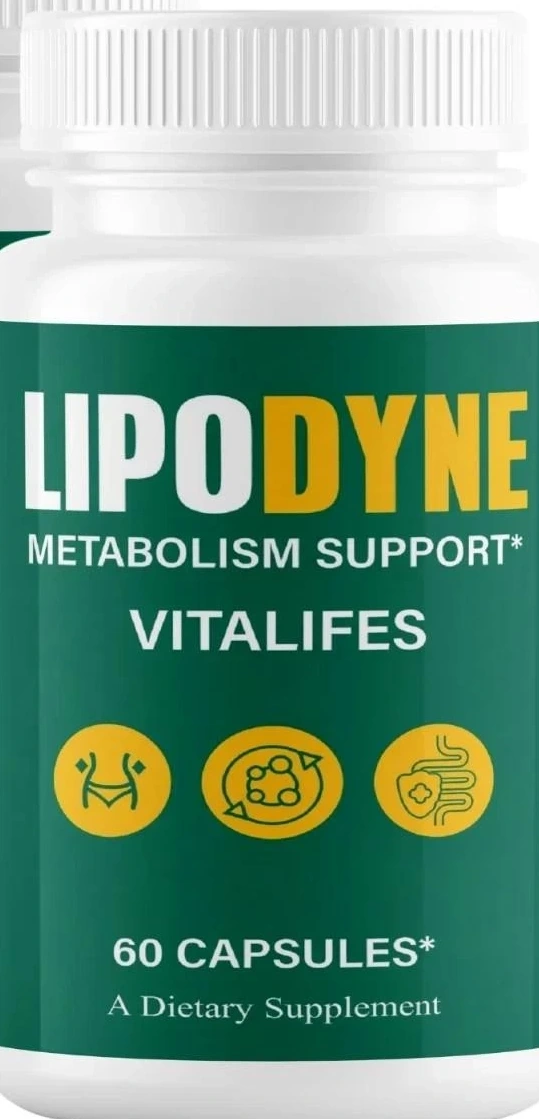
Read the panel and the guarantee wording
The seller’s checkout shows the guarantee wording. The green tea row is one of six, and the panel prints all of them.
See today's price and guaranteeDisclosure: this site is paid a commission when an order completes at the seller's checkout. How this site earns.
- Row as printed: Green Tea Extract (Camellia sinensis) (leaf), 250 mg per capsule. No EGCG or catechin percentage is printed.
- 250 mg is 24% of the 1,060 mg of declared actives.
- The trial that moved weight used 856.8 mg of EGCG a day over twelve weeks. One that found nothing used 300 mg over the same span.
- Green tea extract carries caffeine of its own. The amount is not printed.
- One analysis set an observed safe EGCG level of 338 mg a day for a solid oral dosage form.
- The liver signal is tied to concentrated EGCG, not brewed tea, and best-known on an empty stomach.
LipoDyne green tea extract is the second heaviest row, and it has the widest spread of published results. Some trials found an effect, some found none, and the bottle does not tell you which of them your capsule resembles. This page explains why, what the extract adds besides catechins, and the safety notes worth knowing before you start.
What is the LipoDyne green tea extract row?
The panel prints Green Tea Extract (Camellia sinensis) (leaf), 250 mg. It is dried tea leaf concentrated for its catechins, the largest of which is epigallocatechin gallate, shortened to EGCG. It is 24% of the declared actives, behind only the garcinia row.
A bottle holds 60 capsules, so it holds 15,000 mg of the extract. That sounds like a lot, but an extract weight is the weight of a concentrated powder, not of the catechins inside it.
How much EGCG is in LipoDyne green tea extract?
No one can say from the bottle. Catechin content differs widely between commercial extracts, so 250 mg of extract gives no known EGCG amount unless a percentage is printed, and none is. EGCG is only a fraction of an extract.
That matters because the evidence is written in EGCG. Two twelve-week trials show the gap: the one that moved weight used 856.8 mg of EGCG a day, and the one that found nothing used 300 mg. This label offers no way to place a capsule between those two figures.
| Measure | In the research | On this label |
|---|---|---|
| Unit | EGCG, in milligrams | Extract weight, 250 mg |
| Trial that moved weight | 856.8 mg of EGCG a day, twelve weeks | No EGCG figure |
| Trial that found nothing | 300 mg a day, twelve weeks | No EGCG figure |
| Observed safe level analysed | 338 mg a day of EGCG, solid oral form | Cannot be compared |
What do studies say about green tea extract and weight?
The results are mixed, and that is the honest summary. One meta-analysis found a small effect on weight and a bigger one on keeping weight off. A second, built on different trials, found the body composition effect faded. A third looked only at energy expenditure, the metabolic rate itself, not the scale.
A head-to-head trial against metformin is why some pages oversell the extract. It measured blood fats and sugar control in overweight women, not weight loss in adults at large, and it should not be quoted as if it did.
The fair reading is that the extract may add a little, that the effect depends on dose and on who is studied, and that no study of the finished LipoDyne formula exists.
Does the green tea extract add caffeine to LipoDyne?
Yes. Extracts like this often hold two to ten per cent caffeine, which would be roughly 5 to 25 mg here. No published source gives the figure for this particular extract.
That is why a LipoDyne capsule is best treated as at least 100 mg of caffeine, not exactly 100 mg. Read our LipoDyne caffeine page for the daily arithmetic. And if you also drink green tea or take a separate green tea or EGCG capsule, count them as the same ingredient bought twice.
Can LipoDyne green tea extract affect the liver?
A signal exists. It is rare against heavy use, and it is better pinned down than garcinia’s because the culprit is known. A review ties it to EGCG taken concentrated and on an empty stomach, not to brewed tea, and the LiverTox chapter on green tea agrees, noting that most reports involve extracts, not the drink.
One tolerable-intake analysis set the observed safe level for EGCG from a solid oral form at 338 mg a day. The US Pharmacopeia reacted to the same evidence by adding a caution statement to its green tea extract monograph, not by setting a limit.
Whether this capsule approaches that figure cannot be worked out, because there is no EGCG percentage. The practical advice matches what the label asks for another reason: one capsule, with water, before a meal, not on a truly empty stomach. Anyone who has had an unexplained liver result should mention the row to a clinician. See LipoDyne side effects for the stop signs.
What would make the green tea row easier to judge?
A standardisation clause, which costs nothing beyond tests already done to buy the extract. It would turn 250 mg of powder into a catechin or EGCG weight, and a reader could hold it against both the efficacy trials and the safety figure. It is the one thing this site would most like the label to fix.
Until then, treat the row as present, not quantified. For a row-by-row view, see the ingredients page.
LipoDyne is a dietary supplement. It is not a drug and it is not FDA approved. No dietary supplement is. These statements have not been evaluated by the Food and Drug Administration. This product is not intended to diagnose, treat, cure or prevent any disease. This page is general information and does not replace a doctor who knows your history. Ask your doctor or pharmacist about any medical question.
Frequently asked questions
How much green tea extract is in LipoDyne?
250 mg of leaf extract per capsule, which is 24% of the declared actives. No EGCG or catechin percentage is printed.
How much EGCG is in LipoDyne?
Not published. EGCG is a fraction of the extract, and the label gives no percentage.
Does LipoDyne green tea extract contain caffeine?
Yes. Green tea extracts commonly carry two to ten per cent caffeine, so the row could add a few milligrams to about 25. The label does not total it.
Is green tea extract safe for the liver?
A rare, dose-related signal is tied to concentrated EGCG, best documented on an empty stomach. Take one capsule before a meal and know the stop signs.
Did green tea extract trials support weight loss?
Results are mixed. One meta-analysis found a small effect and another found the body composition effect did not hold up.
Can I take another green tea capsule with LipoDyne?
Treat it as the same ingredient bought twice. Both the catechins and the caffeine would be doubled, and neither label totals it for you.
Which sources does this page lean on?
The figures on this page come from the printed panel and from the other pages of this site. The links below are the consumer sources it leans on.
Our view
Our view is that green tea extract is a plausible, widely studied ingredient with mixed results and an unreadable label. It is not a reason to buy on its own.
It is also not a reason to fear the capsule. At 250 mg, in a single daily dose before a meal, the row is modest in the context of the safety analyses. The sensible habit is to count its caffeine, avoid doubling it with another green tea product, and watch for the stop signs.
Test it fairly inside a bottle
The seller’s checkout shows the guarantee wording. Sixty capsules is sixty days, enough for a fair look.
See today's price and guaranteeDisclosure: this site is paid a commission when an order completes at the seller's checkout. How this site earns.
Last updated . Medically reviewed by Dr. Dean Tomlin, Doctor.